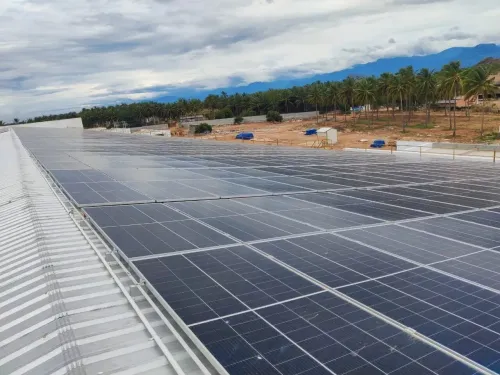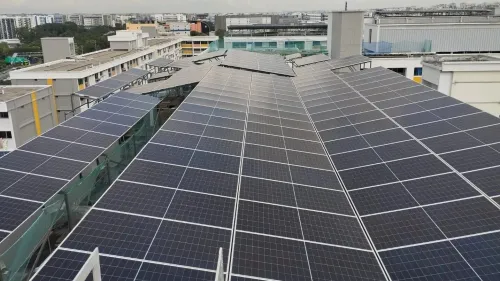
A large unused roof can become a productive part of a building when it is suitable for solar generation. However, installing a roof top solar power plant involves considerably more than calculating how many photovoltaic panels can physically fit on the terrace.
For residential and commercial property owners in Chennai, Tamil Nadu, successful rooftop solar planning requires attention to electricity consumption, structural conditions, shading, equipment positioning, weather exposure, and future maintenance access.
Start With Electricity Consumption
Solar planning should begin with the property's electricity bills and operating pattern.
Reviewing several months of electricity consumption helps identify:
- Average monthly electricity usage
- Seasonal variations
- Daytime energy requirements
- Major electrical loads
- Potential future increases in demand
A commercial building operating primarily during daylight hours may have a different solar requirement from a residence where significant consumption occurs after sunset.
System sizing should reflect this difference.
Check How Much Roof Area Is Actually Usable
Total terrace area and usable solar area are not the same.
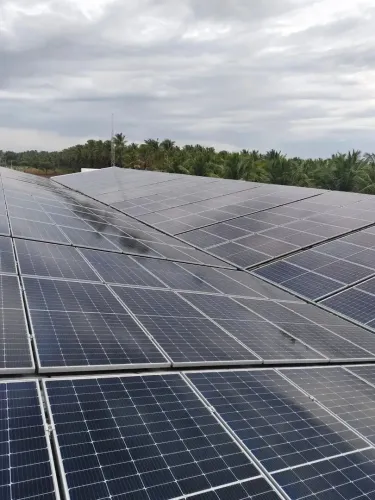
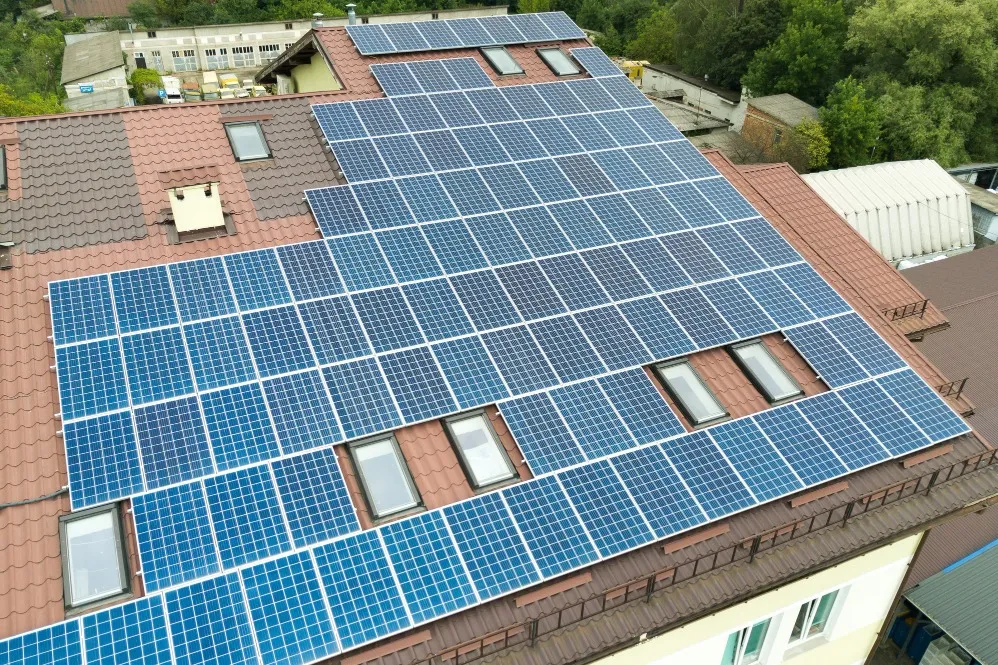
Water tanks, lift rooms, ventilation equipment, ducts, access pathways, parapet walls, antennas, and other structures may reduce the space available for photovoltaic modules.
Shading must also be evaluated carefully.
A neighbouring building may cast a shadow during part of the day even when the roof appears completely exposed at another time.
Assess the Roof Before Adding Equipment
Solar installations remain on buildings for many years, making structural assessment an important planning consideration.
The existing roof condition, mounting arrangement, wind exposure, waterproofing requirements, and load-bearing suitability should be reviewed before installation.
This is particularly relevant in Chennai because rooftop equipment needs to be planned with local climatic conditions, including wind and seasonal weather exposure, in mind.
Plan the Module Layout Properly
More panels do not automatically mean a better rooftop design.
A good layout considers solar exposure while leaving appropriate access for inspection, cleaning, drainage, and maintenance.
Technicians should be able to reach important components without unnecessary difficulty. Roof drainage paths should also remain functional.
Crowding modules into every available space may create operational problems later.
Understand the Electrical Side
Solar panels are only one part of a rooftop power system.
The electrical design may include:
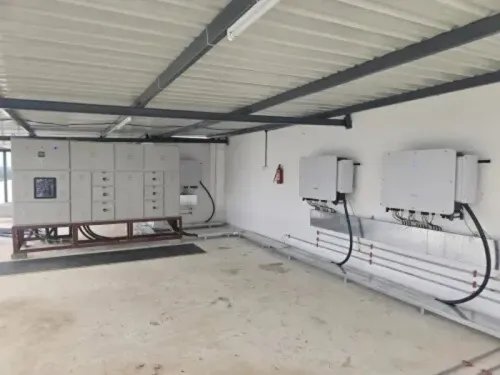
- Solar inverter
- DC cabling
- AC cabling
- Isolation equipment
- Earthing
- Surge protection
- Distribution connections
- Monitoring equipment
- Grid-interface equipment where applicable
Component selection should correspond to the proposed capacity and operating conditions.
Consider Chennai's Environmental Conditions
Local climate influences maintenance planning.
Dust accumulation, bird droppings, leaves, coastal environmental exposure in some parts of the Chennai region, and seasonal rainfall can affect rooftop installations differently.
Module cleaning should therefore be based on actual site conditions rather than an arbitrary schedule.
Water availability and safe roof access are also worth considering during the design stage.
Do Not Ignore Future Electricity Requirements
A building's electricity demand can change.
A homeowner may later install additional air conditioning or an electric vehicle charger. A commercial property may add equipment, expand working hours, or increase occupancy.
Discussing foreseeable changes during solar planning helps determine whether the proposed system and electrical infrastructure make sense for longer-term requirements.
Ask for a Site-Specific Proposal
Generic quotations based only on a requested kilowatt capacity provide limited information.
A more useful proposal should explain the recommended capacity, module layout, equipment specifications, expected generation assumptions, installation approach, safety provisions, monitoring, warranties, and maintenance considerations.
Orbit Solar India Pvt Ltd works across solar energy applications where system design can be aligned with individual site and load requirements.
For Chennai property owners, rooftop solar becomes a more informed investment when the roof, electrical system, energy usage, and local operating environment are evaluated together. Careful planning at the beginning can also make future operation and maintenance considerably easier.
Keywords