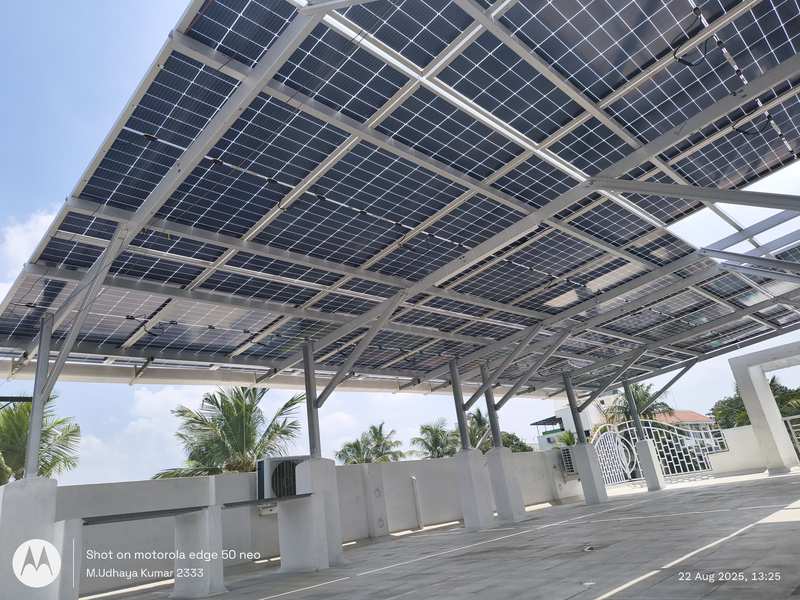
A hybrid solar power plant combines solar panels, battery storage, and grid connectivity to provide reliable, 24/7 electricity. It operates by generating power, storing excess energy in batteries for night use or outages, and importing/exporting electricity to the grid as needed, ensuring uninterrupted power and maximum efficiency. Key Components Solar Panels: Generate DC electricity from sunlight. Hybrid Inverter: Manages power flow between panels, batteries, and the grid, converting DC to AC. Battery Bank: Stores excess solar energy for use during nights or power outages. Grid Connection: Allows importing electricity when batteries are empty and exporting excess energy. How It Works Daytime: Solar panels power appliances; excess energy charges the batteries. Excess Production: Once batteries are full, surplus power is exported to the grid (if permitted). Night/Cloudy Days: The system draws power from the battery bank first. Power Outages: The system automatically disconnects from the grid and runs on batteries, providing seamless, uninterrupted electricity. Key Advantages Uninterrupted Power: Acts as an automatic UPS during power cuts. Higher Energy Autonomy: Reduces reliance on the grid, resulting in lower electricity bills. Maximized Savings: Stores energy for use during peak hours when electricity rates are high. Sustainability: Reduces reliance on diesel generators, offering a cleaner energy solution. Key Considerations High Initial Cost: Generally higher installation costs compared to on-grid systems due to battery investment. Maintenance: Batteries require periodic check-ups to maintain efficiency.
Address
100/112, Poompuhar Nagar, Kattabomman Street, Ganapathy, Coimbatore, Tamil Nadu 641006
Coimbatore, India, 641006