Industrial facilities operate with high and often continuous electricity consumption. Rising utility costs, expanding production capacity, and increasing sustainability goals have encouraged many manufacturers to consider renewable energy solutions. An Industrial Rooftop Grid Tie Solar Power Plant helps industries generate electricity from available rooftop space while remaining connected to the utility grid, making it a practical solution for reducing long-term energy expenses.
For industries in Pondicherry, evaluating readiness before installation is essential to ensure the system delivers reliable performance and maximum financial benefits.
What Is an Industrial Rooftop Grid Tie Solar Power Plant?
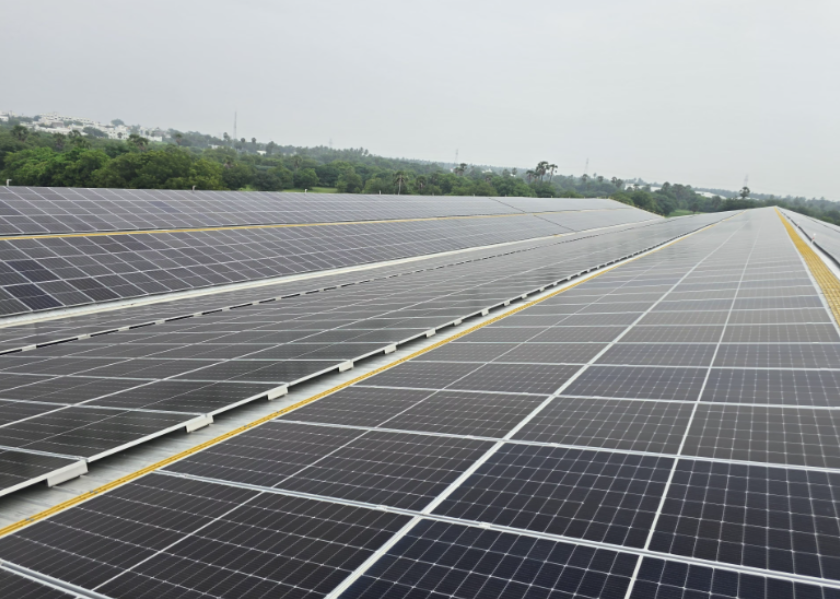
An industrial rooftop grid tie solar system consists of photovoltaic panels installed on factory or warehouse roofs. The generated electricity is consumed within the facility, reducing dependence on utility power during operational hours.
Unlike battery-based systems, grid tie installations synchronize with the public electricity network. This makes them particularly suitable for industries with substantial daytime electricity usage.
Signs Your Facility Is Ready for Solar
Several indicators suggest that an industrial property is well prepared for rooftop solar installation.
High Monthly Electricity Bills
If electricity represents a significant operating expense, solar energy can help reduce recurring utility costs over the long term.
Large Unused Rooftop Area
Factories, warehouses, and industrial buildings often have extensive roof space suitable for solar panel installation.
Consistent Daytime Operations
Facilities operating during daylight hours can directly consume solar-generated electricity, improving overall system efficiency.
Long-Term Business Planning
Businesses intending to operate from the same location for many years are better positioned to benefit from solar investments.
Sustainability Objectives
Organizations seeking to reduce carbon emissions or improve environmental performance often include rooftop solar as part of their energy strategy.
Evaluating Your Building Before Installation
A professional assessment should examine several technical factors.
These include:
- Roof structural strength
- Roof orientation
- Shadow analysis
- Electrical load profile
- Existing infrastructure
- Safety compliance
- Future expansion requirements
A comprehensive evaluation ensures the system is appropriately designed for the facility.
Questions to Discuss with Your Solar Provider
Before proceeding, industrial buyers should ask:
- What system capacity is recommended?
- How much electricity can the system generate annually?
- Will operations be interrupted during installation?
- What monitoring tools are included?
- What warranties cover the equipment?
- How is routine maintenance handled?
These discussions help establish realistic performance expectations and project timelines.
Why Equipment Quality Should Never Be Compromised
Industrial solar systems are expected to operate reliably for decades. Selecting high-quality panels, efficient inverters, corrosion-resistant mounting structures, and certified electrical components contributes to better energy generation and lower maintenance costs.
Although lower-priced alternatives may appear attractive initially, long-term performance often depends on the quality of the complete system rather than its upfront cost.
The Importance of Professional Project Execution
Industrial installations involve more than simply placing solar panels on a roof. Structural engineering, electrical integration, safety planning, and regulatory compliance all require specialized expertise.
Many manufacturing facilities in Pondicherry choose experienced providers such as Orbit Solar India Pvt Ltd, which conducts detailed feasibility studies before designing industrial rooftop grid tie solar power plants tailored to each facility's energy requirements and operational goals.
Building a More Energy-Efficient Future
An Industrial Rooftop Grid Tie Solar Power Plant enables industries to make productive use of available rooftop space while lowering electricity costs and supporting sustainable operations. Facilities that evaluate their readiness carefully and invest in quality system design are well positioned to achieve dependable energy generation and long-term operational savings.


