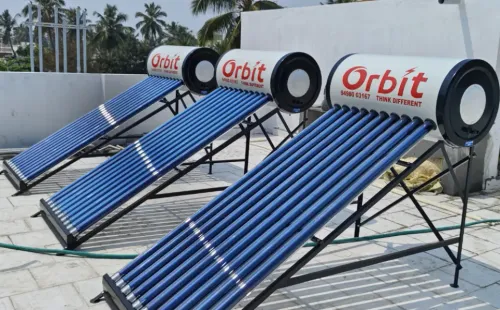

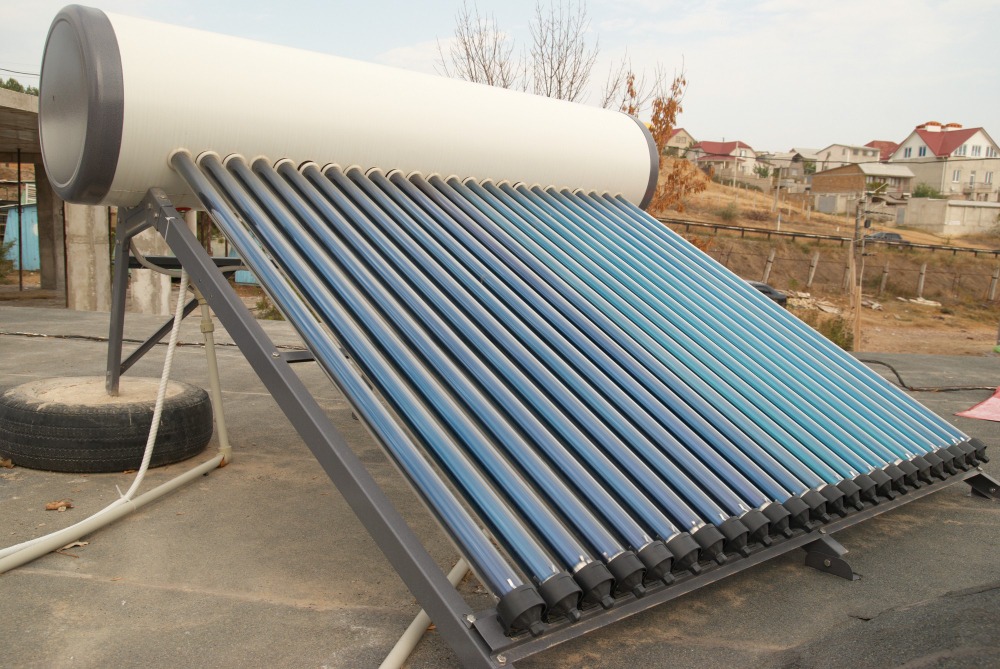
Choosing the right solar water heating system involves more than selecting a tank size. Homeowners often compare different technologies before investing, especially when looking for a system that delivers consistent hot water throughout the year. A Residential FPC Solar Water Heater is a popular option because of its durability, reliable heat absorption, and suitability for many climatic conditions.
For homeowners in Ooty, where temperatures are generally cooler than in many other parts of Tamil Nadu, understanding how an FPC (Flat Plate Collector) system performs can help in making an informed decision.
What Is a Residential FPC Solar Water Heater?
A Residential FPC Solar Water Heater uses insulated flat plate collectors with specially coated absorber plates that capture solar energy and transfer the heat to water flowing through copper tubes. The heated water is then stored in an insulated tank, making it available for household use throughout the day.
Unlike evacuated tube systems that rely on glass tubes, flat plate collectors are built with durable metallic components that offer long service life and excellent structural strength.
Why Many Homeowners Prefer FPC Technology
Flat plate collector systems are widely used because they combine efficiency with long-term reliability.
Some of the key advantages include:
- Excellent durability
- Corrosion-resistant construction
- Efficient heat transfer
- Strong performance in varying weather conditions
- Longer operational lifespan with proper maintenance
These qualities make FPC systems suitable for households planning a long-term investment.
Comparing FPC and ETC Solar Water Heaters
Both FPC and ETC systems provide solar-powered hot water, but their construction and operating characteristics differ.
Heat Collection
FPC systems use metal absorber plates that efficiently transfer heat to circulating water, while ETC systems rely on evacuated glass tubes to trap solar heat.
Durability
Flat plate collectors are generally more resistant to physical damage because they do not contain exposed glass tubes.
Maintenance
Both systems require periodic maintenance, but FPC units often involve fewer tube replacements over their lifespan.
Climate Suitability
In cooler climates such as Ooty, FPC systems continue to provide dependable hot water when designed and installed correctly.
The right choice ultimately depends on household requirements, budget, and local environmental conditions.
Factors to Evaluate Before Buying
A residential solar water heater should be selected based on actual household needs rather than price alone.
Important considerations include:
- Daily hot water consumption
- Number of family members
- Roof space availability
- Plumbing layout
- Water quality
- Sunlight exposure
- Installation orientation
A professional assessment helps determine the most suitable system capacity and collector configuration.
Signs That an FPC System Is the Right Choice
An FPC solar water heater may be ideal if:
- Your family uses hot water throughout the year.
- You want a durable system with a long service life.
- Your property has sufficient rooftop space.
- You prefer a low-maintenance renewable energy solution.
- You are planning a long-term investment in energy-efficient home improvements.
These factors often make flat plate collectors a practical option for residential installations.
Why Professional Installation Matters
Even the best-quality solar water heater cannot deliver its full performance without proper installation. Collector angle, pipe insulation, water circulation, and tank placement all influence heating efficiency.
Homeowners in Ooty often consult experienced manufacturers such as Orbit Solar India Pvt Ltd, which evaluates roof conditions, household water demand, and local weather patterns before recommending an appropriate Residential FPC Solar Water Heater.
Making a Confident Investment
A Residential FPC Solar Water Heater is an excellent choice for homeowners seeking reliable hot water with lower electricity consumption. By understanding how the technology works and comparing it carefully with other available options, families can invest in a system that delivers consistent performance, energy savings, and long-term value.