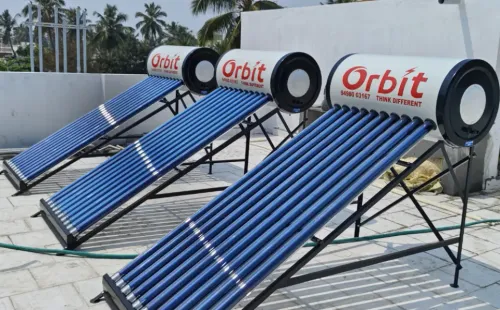

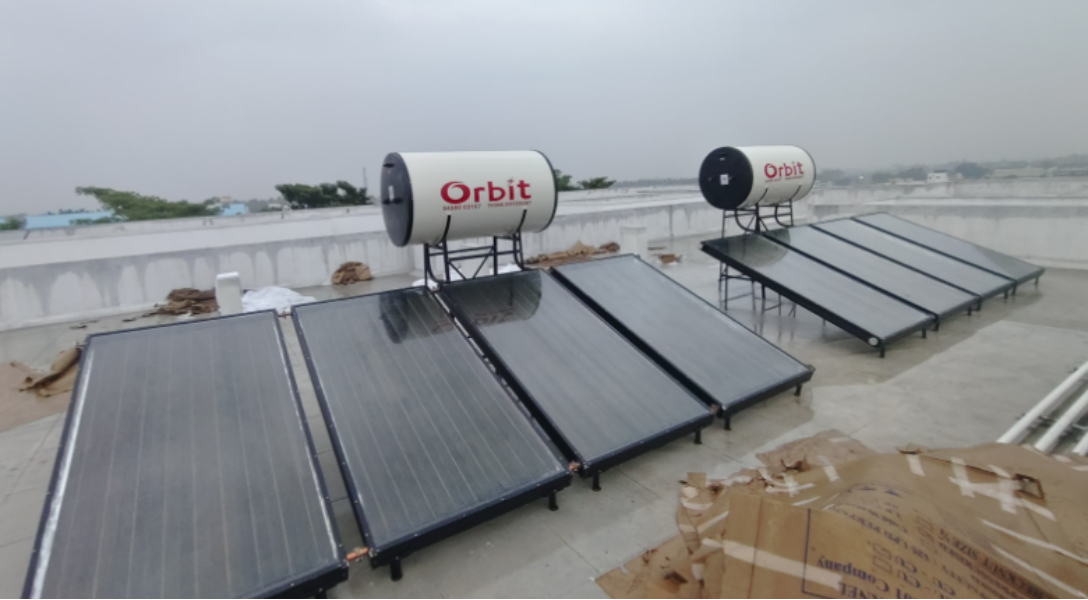
Industrial facilities that require a continuous supply of hot water need solutions that are reliable, efficient, and built for long-term performance. An Industrial FPC Solar Water Heater is designed to meet these demands by using flat plate collector technology to generate hot water through renewable solar energy. It is widely used in manufacturing plants, hotels, hospitals, commercial kitchens, educational institutions, and processing industries where energy efficiency directly affects operating costs.
In Dindigul, businesses are increasingly exploring industrial solar water heating systems as a practical way to reduce electricity consumption while supporting sustainable operations.
What Makes FPC Technology Suitable for Industrial Use?
Flat Plate Collector (FPC) technology uses specially coated absorber plates enclosed within insulated collector panels. Solar radiation heats the absorber plate, which transfers the heat through copper tubes to circulating water.
Compared to conventional heating systems, FPC technology offers:
- Reliable thermal performance
- Durable construction
- Long operational life
- Efficient heat transfer
- Consistent hot water production
These qualities make FPC systems well suited for industrial applications that require dependable daily operation.
Choosing the Right Capacity
One of the most important decisions is selecting the correct system size.
Capacity should be based on:
- Daily hot water demand
- Operating hours
- Number of users
- Industrial process requirements
- Seasonal water consumption
- Future expansion plans
A professional load analysis helps avoid installing a system that is either too small or unnecessarily oversized.
Important Features to Compare
When evaluating different Industrial FPC Solar Water Heater systems, buyers should compare more than just price.
Look for:
High-Quality Absorber Plates
Efficient absorber plates maximize heat collection and improve overall system performance.
Well-Insulated Storage Tanks
Proper insulation minimizes heat loss and keeps water hot for longer periods.
Corrosion-Resistant Materials
Industrial systems should withstand long-term exposure to weather and varying water conditions.
Strong Mounting Structures
Robust support structures ensure stability and durability over many years.
Reliable Safety Components
Pressure relief valves, temperature controls, and quality plumbing fittings contribute to safe operation.
Questions Every Buyer Should Ask
Before selecting a supplier, consider asking:
- Is the proposed capacity based on actual water demand?
- What type of collector materials are used?
- What warranties are available?
- How will maintenance be handled?
- Can the system be expanded in the future?
- What level of technical support is provided after installation?
These questions help compare providers more effectively.
Industries That Benefit from Industrial FPC Systems
Flat plate collector systems are commonly installed in:
- Food processing facilities
- Textile industries
- Hotels
- Hospitals
- Dairy plants
- Educational institutions
- Commercial laundries
- Pharmaceutical manufacturing
Each industry has unique operating conditions, making customized system design an important part of project success.
Why Professional Design Improves Performance
Industrial solar water heating projects require detailed planning to achieve maximum efficiency. Collector orientation, pipeline insulation, storage design, and water circulation all influence system performance.
Businesses in Dindigul often work with experienced manufacturers such as Orbit Solar India Pvt Ltd, which evaluates operational requirements before designing Industrial FPC Solar Water Heater solutions tailored to specific industrial applications.
Investing in Reliable Industrial Solar Water Heating
An Industrial FPC Solar Water Heater is a long-term investment that helps businesses reduce energy costs while maintaining a dependable hot water supply. By selecting the right capacity, comparing quality components, and partnering with an experienced provider, industries can improve operational efficiency, support sustainability goals, and gain lasting value from renewable energy.