Electricity is one of the largest recurring operational expenses for commercial establishments. From office buildings and shopping complexes to hotels, warehouses, and educational institutions, rising power costs directly affect profitability. An On Grid Commercial Solar Power Plant helps businesses generate their own electricity while remaining connected to the utility grid, making it an attractive long-term investment.
Businesses in Erode are increasingly exploring commercial solar solutions as they seek predictable energy costs, greater operational efficiency, and environmentally responsible practices. Before making an investment, however, it is important to evaluate whether an on-grid commercial solar system is the right fit.
What Is an On Grid Commercial Solar Power Plant?
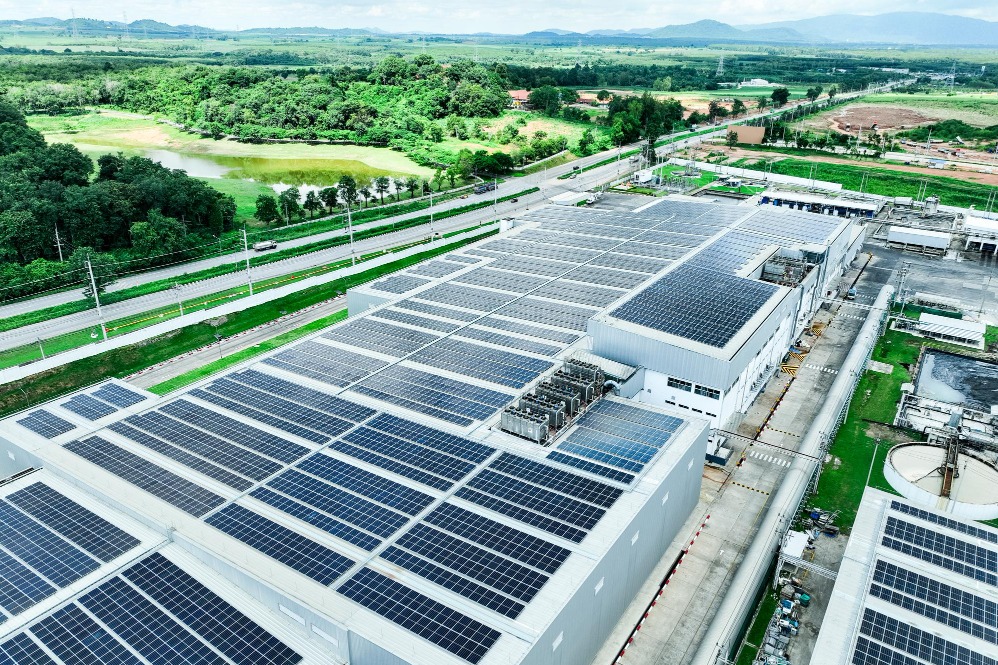
An on-grid commercial solar power plant generates electricity through rooftop or ground-mounted solar panels and synchronizes it with the public electricity grid. The electricity produced is first consumed within the facility. When generation exceeds demand, the surplus energy may be exported to the grid through net metering, subject to local regulations.
Unlike off-grid systems, on-grid installations do not depend on large battery banks, making them a cost-effective solution for businesses with consistent daytime electricity usage.
Businesses That Benefit the Most
Commercial solar systems are suitable for a wide range of industries, including:
- Manufacturing units
- Hotels and resorts
- Hospitals
- Educational institutions
- Retail outlets
- Warehouses
- Office buildings
- Commercial complexes
Facilities operating during daylight hours often achieve the greatest energy savings because they consume electricity as it is generated.
Key Factors to Evaluate Before Investing
Selecting a commercial solar power plant requires more than comparing installation costs. A detailed assessment ensures the system delivers reliable performance and a strong return on investment.
Electricity Consumption Pattern
Review at least 12 months of electricity bills to understand seasonal fluctuations and average monthly consumption. This helps determine the ideal system capacity.
Available Installation Space
Commercial systems require adequate rooftop or open land. Factors such as roof orientation, structural strength, and shading significantly influence energy generation.
Future Business Expansion
If your business plans to expand operations, consider designing a system that can accommodate future energy requirements.
Grid Connectivity
Verify local utility regulations regarding net metering, approvals, and grid integration before installation.
Equipment Quality
Solar panels, inverters, mounting structures, and electrical protection devices should meet industry standards to ensure long-term reliability.
Comparing Initial Cost with Long-Term Value
One of the biggest misconceptions is that commercial solar should be judged only by its installation cost. In reality, long-term operating savings, equipment durability, warranty coverage, and maintenance requirements play a much larger role in determining overall value.
A slightly higher investment in quality equipment often results in:
- Better energy generation
- Lower maintenance costs
- Improved system reliability
- Longer operational life
- Greater financial savings over time
Questions to Ask Before Choosing a Provider
Before finalizing a commercial solar project, ask prospective providers:
- How is the system size calculated?
- Which solar panel technology is recommended?
- What inverter brands are being offered?
- How will system performance be monitored?
- What warranties are included?
- Will assistance be provided for approvals and documentation?
- What maintenance support is available after installation?
Clear answers to these questions help businesses make informed decisions.
Why Professional System Design Matters
Every commercial property has unique energy requirements. A properly engineered system considers electricity demand, roof layout, load distribution, safety standards, and future scalability.
Businesses in Erode often work with experienced companies such as Orbit Solar India Pvt Ltd, which evaluates each project individually rather than recommending a standard solution. This approach helps ensure the installed system delivers optimal energy generation and long-term operational efficiency.
Making a Smart Energy Investment
An On Grid Commercial Solar Power Plant is more than a utility-saving measure. It is a strategic investment that supports business sustainability, improves operational efficiency, and reduces long-term electricity expenses. By carefully evaluating system design, equipment quality, and installation expertise, businesses can confidently adopt solar energy while maximizing their return on investment.