
Electricity consumption in modern homes continues to rise as households add air conditioners, water heaters, appliances, home offices, electric vehicles, and other equipment. For property owners looking to reduce dependence on conventionally purchased electricity, an on grid solar power plant offers a practical way to generate power directly from available rooftop space.
For homeowners in Coimbatore, Tamil Nadu, the first step is understanding how this type of solar system works, where it performs best, and what should be assessed before deciding on system capacity.
What Is an On Grid Solar Power Plant?
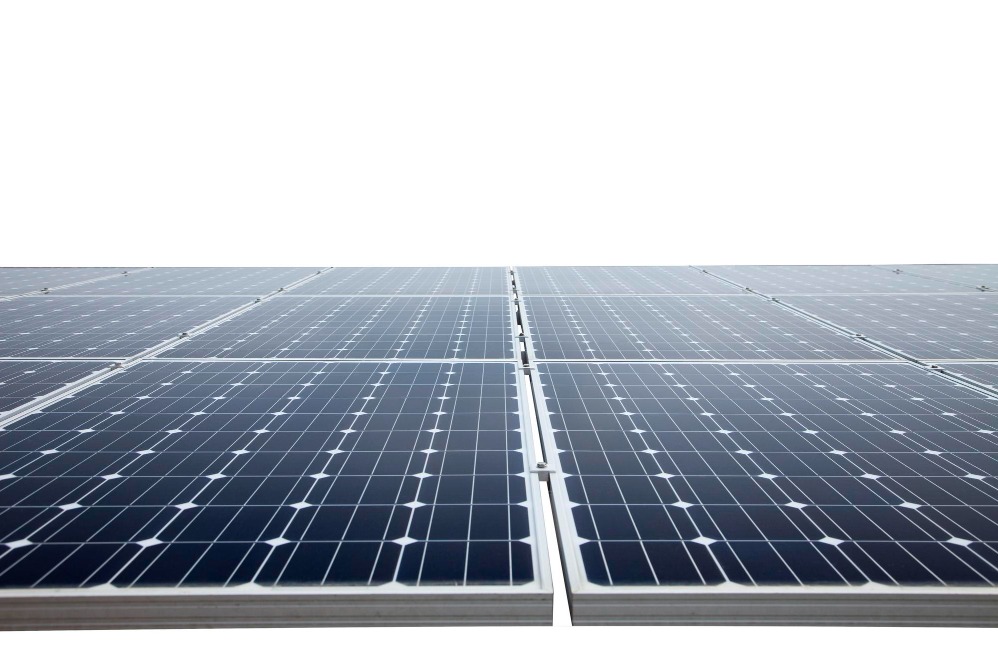
An on grid solar system is connected to the utility electricity network. Solar panels installed on the roof generate direct current electricity, which is converted into usable alternating current through a grid-connected inverter.
During sunny hours, the generated solar electricity can serve the property's electrical loads. Depending on the approved metering arrangement and applicable electricity regulations, surplus generation may be exported to the grid.
When solar generation is insufficient, such as during evenings or periods of low sunlight, electricity can be drawn from the utility network.
Unlike a conventional battery-based system, a standard grid-connected installation generally does not depend on batteries for everyday operation.
What Are the Main Components?
A typical system includes:
- Solar photovoltaic modules
- Grid-connected solar inverter
- Module mounting structure
- DC and AC cables
- Electrical protection equipment
- Earthing arrangements
- Monitoring system
- Approved metering and grid-interconnection equipment
Each component affects system safety, operating performance, and long-term reliability. Solar capacity alone should therefore not be the only factor considered when evaluating a proposal.
How Is the Right Capacity Determined?
A system should ideally be sized around actual electricity requirements rather than simply installing the maximum number of panels that can fit on the roof.
A preliminary assessment usually considers recent electricity bills, daytime consumption, available roof area, roof orientation, shading, structural conditions, and applicable utility requirements.
For example, two houses with similar built-up areas may require very different solar capacities if one uses most of its electricity during daytime while the other has predominantly evening consumption.
Understanding the load profile helps avoid unnecessary oversizing or undersizing.
Why Rooftop Conditions Matter
Coimbatore receives substantial sunshine across much of the year, but individual properties still require site-specific evaluation.
Nearby buildings, trees, overhead structures, water tanks, parapet walls, and rooftop equipment can create shadows at different times of the day. Even when a roof appears open at noon, morning or afternoon shading can influence solar generation.
Installers should also consider access for future cleaning and maintenance instead of filling every available section of the roof with modules.
What Happens During a Power Cut?
This is an important point for homeowners to understand.
A conventional grid-connected solar inverter normally shuts down when the utility grid fails. This anti-islanding function is an important electrical safety feature.
Therefore, installing grid-connected solar should not automatically be interpreted as obtaining backup electricity during outages. Properties requiring backup power need a system configuration designed specifically for that requirement.
What Should Homeowners Review Before Installation?
Before finalising a system, property owners should understand:
- Proposed solar capacity
- Estimated annual generation
- Solar module and inverter specifications
- Mounting structure design
- Electrical protection provisions
- Roof suitability
- Monitoring capabilities
- Warranty conditions
- Grid-interconnection requirements
- Maintenance responsibilities
Estimated generation should always be treated as a site-dependent projection because actual output varies with weather, shading, equipment performance, maintenance, and other operating conditions.
Planning Solar Around the Property
A well-planned solar installation begins with electricity consumption and site conditions rather than a generic package.
Orbit Solar India Pvt Ltd provides solar energy solutions for residential and other applications, and projects in Coimbatore can be evaluated according to available rooftop area, electrical load, system configuration, and practical installation requirements.
For homeowners considering solar in Tamil Nadu, understanding these fundamentals makes it easier to compare proposals on engineering suitability rather than focusing only on system price.