Businesses considering solar often focus first on panel capacity and project price. Yet one of the most important decisions is how the solar installation will interact with the existing electrical network. A grid tie solar power plant is designed to operate in coordination with the utility grid, making it particularly relevant for facilities with substantial daytime electricity consumption.
For businesses in Tiruppur, Tamil Nadu, this configuration can be worth understanding because many commercial and manufacturing operations use electricity during the same hours in which solar panels are generating power.
How Grid-Tied Solar Works
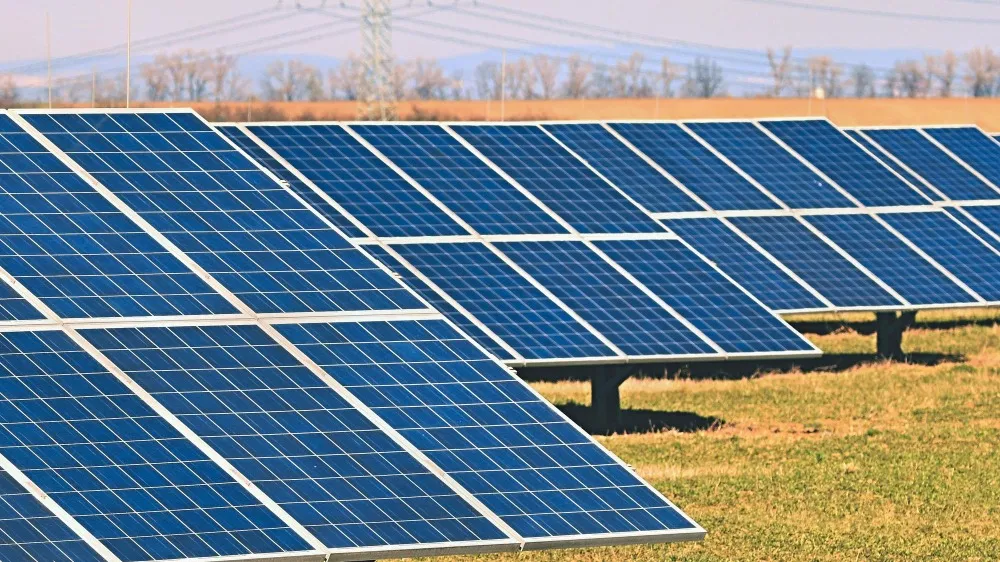
Solar photovoltaic modules produce electricity when exposed to sunlight. The generated direct current is sent to an inverter, which converts it into alternating current suitable for use by the property's electrical system.
The building can consume available solar electricity while remaining connected to the utility network.
When solar generation is lower than the facility's demand, additional electricity can be drawn from the grid. Treatment of surplus electricity depends on the approved grid connection and applicable regulations.
This creates an integrated relationship between on-site generation and grid supply.
Why Daytime Consumption Matters
The timing of electricity consumption has a major influence on system planning.
Consider two facilities with the same monthly electricity bill.
One operates primarily between 8 a.m. and 6 p.m. The other uses much of its electricity during evening and night shifts.
Although their total consumption may appear similar, the way each facility can directly utilise daytime solar generation may differ considerably.
This is why electricity bills alone do not provide the complete picture.
What Information Helps With Solar Sizing?
Businesses evaluating grid-tied solar should collect information such as:
- Recent electricity bills
- Sanctioned or connected load details
- Working hours
- Daytime demand
- Seasonal demand changes
- Major equipment loads
- Roof or ground area availability
- Planned expansion
Where detailed load data is available, it can provide additional insight into how closely solar production may correspond with electricity usage.
Rooftop Design Matters in Tiruppur
Industrial and commercial buildings often have substantial roof areas, but not every section is necessarily suitable for solar modules.
Roof type, structural condition, skylights, vents, exhaust systems, water tanks, access paths, and shading all influence the usable area.
Manufacturing buildings may also require clear access to roof-mounted equipment.
A solar layout should therefore support both energy generation and ongoing building operations.
Grid-Tied Does Not Automatically Mean Backup Power
Businesses sometimes assume that solar panels will continue supplying the property whenever the utility grid fails.
A standard grid-tied inverter generally shuts down during a grid outage as part of its anti-islanding protection.
Facilities requiring backup electricity need to discuss this requirement during system design rather than discovering the limitation after commissioning.
Monitor Performance After Installation
Modern solar installations can include monitoring systems that provide visibility into energy generation and equipment status.
Monitoring can help facility teams identify unusual changes in output, inverter faults, or other performance issues requiring attention.
It also creates a useful operational record instead of relying solely on electricity bills to judge system performance.
Treat Solar as Electrical Infrastructure
A solar power plant should be evaluated as long-term electrical infrastructure rather than a collection of photovoltaic panels.
Orbit Solar India Pvt Ltd serves solar energy requirements across residential, commercial, industrial, and other applications. For Tiruppur businesses, a project assessment can consider load patterns, available installation space, equipment selection, electrical integration, and operating requirements together.
A well-designed grid-connected project begins with understanding how the facility actually uses electricity. That information helps determine whether the proposed capacity is practical, how much generated power can be used on site, and which technical considerations need attention before installation.
Keywords